ESD, heat and the bench mat: protecting boards while you work

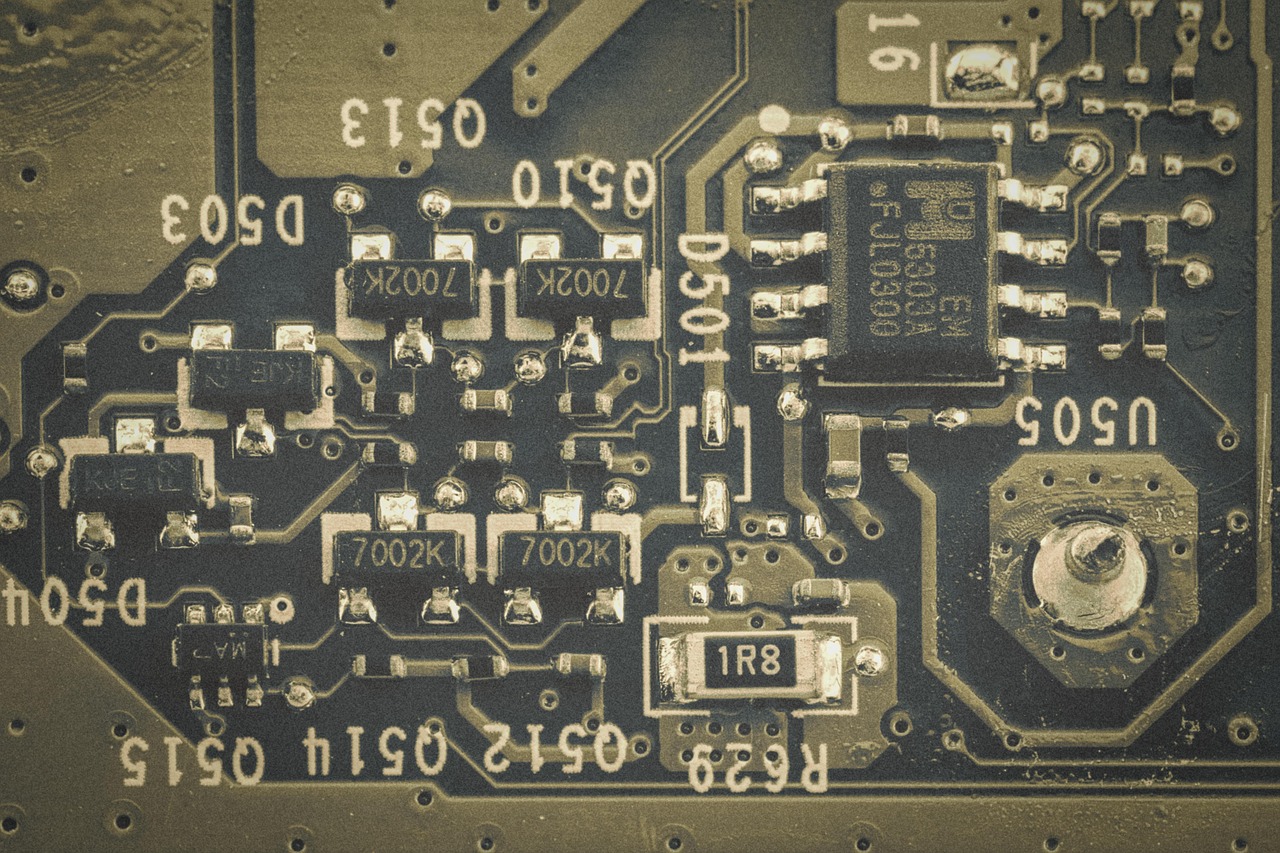
Working with electronics, whether you are building a custom PC, upgrading components, or repairing intricate circuits, demands a meticulous approach. The tiny, sophisticated components on modern circuit boards are remarkably sensitive, vulnerable to unseen threats that can compromise their performance or lead to outright failure. Understanding and mitigating these risks is paramount for anyone serious about successful electronics work.
Two primary adversaries in this delicate dance are electrostatic discharge (ESD) and excessive heat. While heat damage is often visible, ESD can be an insidious, invisible killer. Fortunately, a well-chosen and properly utilised bench mat serves as the cornerstone of defence against both. It provides a safe, organised, and protective environment, turning your workbench into a reliable hub for precision work.
The Invisible Threat: Electrostatic Discharge (ESD)
Electrostatic discharge, or ESD, is the sudden flow of electricity between two objects with different electrical potentials. This often occurs when charges build up on surfaces due to friction, such as walking across a carpet or sliding components across an unprotected desk. Even a static charge too small to feel can be hundreds or thousands of volts, far exceeding the tolerance of delicate semiconductor devices.
The damage caused by ESD can manifest in two critical ways. An immediate catastrophic failure might occur, rendering a component unusable straight away. More insidiously, ESD can cause latent damage, weakening a component internally without immediate signs. This can lead to intermittent issues, reduced lifespan, or premature failure weeks or months down the line, making troubleshooting incredibly frustrating.
Grounding: Your First Line of Defence
The fundamental principle of ESD protection is grounding: safely channelling static charges away from sensitive electronics and the person handling them. By providing a path for charges to dissipate slowly and harmlessly to a common ground point, you prevent the sudden, damaging discharge that can occur when potentials equalise too quickly. This active management of static electricity is non-negotiable.
Essential grounding equipment typically includes a wrist strap, which connects the user to a common ground point, and a ground cord that links the bench mat to the same safe earth ground. A common point ground block allows multiple items – such as your mat, wrist strap, and perhaps even specific tools – to be bonded to the same ground, ensuring everything is at an equal electrical potential.
The ESD Mat: More Than Just a Surface
An ESD mat is specifically engineered to control static electricity. Unlike ordinary rubber or vinyl mats, ESD mats are made from materials that are either conductive or dissipative. Conductive mats allow charges to flow through them quickly, while dissipative mats slow down the flow of charge, preventing rapid discharge. Both types serve to safely drain static electricity from objects placed upon them.
Types of ESD Mats
ESD mats come in various materials, primarily rubber and vinyl. Rubber mats are generally more durable and offer superior heat resistance, making them ideal for soldering applications. Vinyl mats are often more cost-effective and lighter, suitable for assembly areas where heat is less of a concern. Choosing the right material depends on your specific workflow, considering factors like durability, chemical resistance, and the level of heat exposure.
Heat Management During Soldering
Soldering is an indispensable process in electronics, but it inherently involves applying significant heat to delicate components and circuit boards. While necessary to form strong electrical connections, uncontrolled or excessive heat can cause irreversible damage. The localised application of heat during soldering requires careful management to prevent thermal stress on adjacent components and the board material itself.
Common heat-related damage includes delamination of circuit board layers, blistering of the solder mask, and damage to heat-sensitive components like integrated circuits or capacitors. Prolonged exposure or excessively high temperatures can compromise the structural integrity of the board, leading to unreliable connections or component failure. Effective heat control is as critical as ESD protection for successful soldering.
Heat-Resistant Properties of Bench Mats
For workspaces involving soldering, a bench mat with robust heat-resistant properties is invaluable. High-quality ESD soldering mats are designed to withstand direct contact with hot soldering irons, preventing scorch marks, burns, and damage to the underlying workbench. This feature not only protects your investment in a good workbench but also provides a safer, more stable area to rest hot tools during work.
Beyond protecting the surface, the heat resistance of an ESD mat contributes to a more controlled soldering environment. It allows you to place hot components or boards directly onto the mat without fear of degradation, facilitating cooling and inspection. This peace of mind enables more focused and precise work, reducing the risk of errors associated with rushing to remove hot items.
Organisation and Ergonomics: Beyond Protection
While primary functions relate to ESD and heat protection, a well-designed bench mat significantly enhances workspace organisation and ergonomics. Many mats feature compartmentalised sections or raised borders that help contain small components, screws, and tools, preventing them from rolling away or getting lost. This structured layout reduces clutter and improves workflow efficiency.
From an ergonomic perspective, a high-quality mat provides a comfortable, non-slip working surface, reducing fatigue during long sessions. The consistent texture and often anti-glare finish can also minimise eye strain. A tidy, well-organised bench, facilitated by the mat, allows for better posture and fewer distractions, contributing to higher quality work and a more enjoyable experience.
Cleaning and Maintenance of Your Mat
Maintaining the integrity and effectiveness of your ESD bench mat is crucial for ongoing protection. Regular cleaning is essential to prevent the accumulation of dust, dirt, and grime, which can compromise the mat’s electrical properties and reduce its effectiveness in dissipating static charges. A clean mat ensures consistent performance and a professional appearance for your workspace.
When cleaning, always use mild soap and water or cleaners specifically formulated for ESD mats. Avoid harsh chemicals, solvents, or abrasive cleaners, as these can degrade the mat’s material, damage its dissipative layers, or strip away its protective coatings. Proper care ensures your mat retains its ESD and heat-resistant properties, extending its lifespan and maintaining a safe working environment.
Essential Tools for a Protected Workspace
A comprehensive approach to protecting sensitive electronics extends beyond just the bench mat. Establishing a truly safe workspace involves several complementary tools, each playing a crucial role in mitigating risks. From handling delicate components to performing intricate soldering, selecting the right equipment ensures both the longevity of your projects and the safety of your work environment. This systematic approach forms the bedrock of reliable electronics assembly and repair.
The System Approach
Beyond the mat, consider ESD-safe precision screwdriver kits, which prevent charge build-up during adjustments. ESD-safe tweezers and brushes are equally vital for handling components without risk. When soldering, a high-quality soldering station with temperature control is paramount, coupled with good ventilation or a fume extractor. These tools, when used in conjunction with your grounded bench mat, create a robust defence against potential damage.
The short version
- Ground Everything: Always use a grounded ESD mat and wrist strap to safely dissipate static charges from yourself and your workspace.
- Manage Heat Smartly: Utilise heat-resistant soldering mats and precise temperature-controlled soldering irons to prevent thermal damage to components and PCBs.
- Maintain and Equip: Keep your mat clean with appropriate solutions and complement it with other ESD-safe tools, ensuring a fully protected and organised workspace.
Where to go next
Everything discussed here sits under Arcade and Bench Parts in our shop. Delivery and returns are set out on the Shipping Policy and Refund and Returns Policy pages, and you may also want Building a repair bench: mat, light, magnet tray and somewhere for screws. If something here does not answer your question, ask us directly — we would rather talk it through than have you buy the wrong thing.